






Sexism is Big in Japan
Let me begin with a story I used to hear a lot when I was growing up. A great grandmother of mine got married at the age of 13. Being a teenage girl, she hadn’t got her period started. Not just yet. Her husband was very young as well. And totally unaware about menstruation. He demanded of her to get pregnant right away. As you can imagine this didn’t happen. So to punish his girl - wife for not giving him a child, he made her cook huge meals and invited his male friends over to eat. She was forced to serve them while she was starving. The torture came to an end as she started getting her period and got pregant to her first child. Then she was allowed to her fundamental right of …you know..EATING.
That story dates back to Greece of early 1900’s. It hit my memory while I was searching for information about a woman’s role in Japan these days. I had just come accros this statement of Minister of Health, Labor and Welfare Hakuo Yanagisawa in 2007 -women are childbearing machines. Under existing gender norms you see, giving birth and raising children is still considered a woman’s main contribution to Japanese society.
Few months ago, while in preparative state for the Tokyo Olympics, Momoko Nojo run a petition campaign that gathered 150,000 signatures in just two weeks. The #DontBeSilent campaign helped oust Tokyo’s Olympic chief Yoshiro Mori for his sexist remarks. He appeard to have claimed that women talk too much and that meetings with many female board directors would "take a lot of time". Nojo used her hashtag on social media platforms and the response was so huge that Mori was forced to resign and be replaced by Seiko Hashimoto, a woman who has competed in seven Olympic Games.
I decided to search a little further. You see I couldn’t put my mind to the fact that the world’s third largest economy remained chauvinistically oriented. But it did. Another campaign had taken place in 2019. Yumi Ishikawa a young actress, writer and temp worker, created #KuToo movement. It was a campaign calling for an end to female workers having to wear heels. And of course it evolved from a shoe thing to a wider debate around Japan’s culture. Meaning of things we wear proves to be far more deep than we imagine, as always…
The fact that those succesful campaigns were both led by young women is really subversive for Japan’s reality. A reality that consists of teaching the young to keep quiet and defer to their elders. As a result the most powerful political and business leaders are unsurprisingly men in their 70s, 80s or even 90s. And just like that Japan’s gender gap is the largest among advanced economies.
A woman’s role in Japan is being obediend and in the service of others. They lack representation and are discouraged into going after leadership posititions, both in state and business. They are expected to become stay - at - home mothers after giving birth. So women who decide to have a family are becoming fewer and fewer and birth rates are dropping. Even fewer choose to define the norm and claim their rights. In a country where it remained legal for husbands to murder wives for infidelity until 1908, being a feminist seems like a bad joke to a significant part of Japanese society.
But things are heating up. The above examples of young women expressing anger and being respected for that has given the push to all young women to consider a change in attitude. As all flash lights will be gathered in Japan for the Tokyo Olympics this summer, activists and human rights advocates could have a chance to enhance their movement. Would love to watch them turn this into their advantage. And Japanese goverment respond consensually.
My thoughts go back to great grandmother’s story. After spending few days crying over her pilow with an empty stomach she took a decision. To survive. So she carefully removed some food from the pot before her husband’s favorite stew became covered in thin crust. And ate it just as he was around the corner coming back from work…
I am always terrified to think what women have gone through, the oppressed feelings, the violence. Things like that can’t still be happening but they do. It’s the patriarchy infused in every aspect of our lives. We need to grab every chance we got and change it. Everywhere. Even at the world’s third largest economy…
Credits:
Opening photo is artwork “Women speak out” by Franziska Barczyk.
For more information about sexism in Japan you can click here, here, here and here(in Greek only).

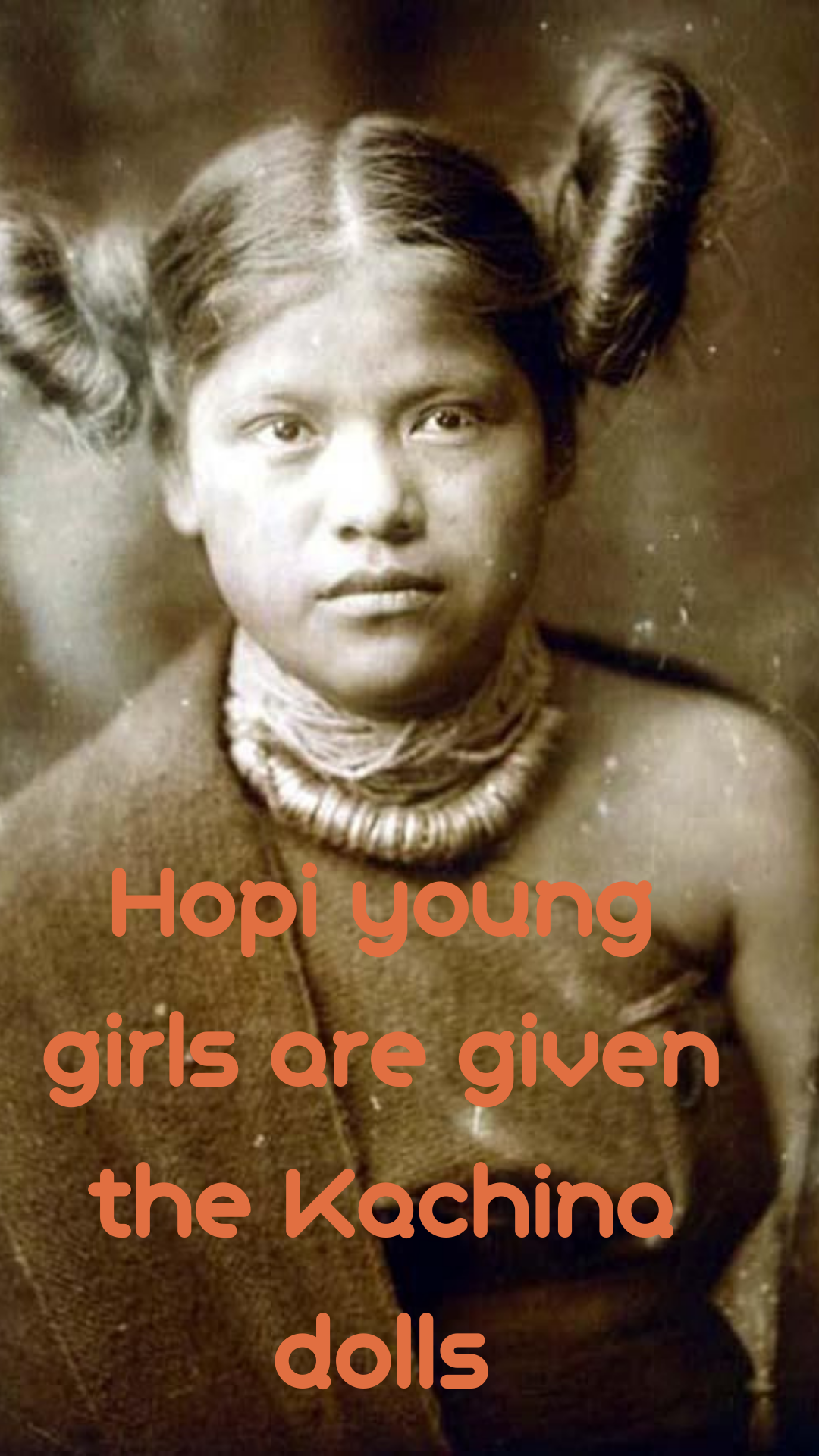
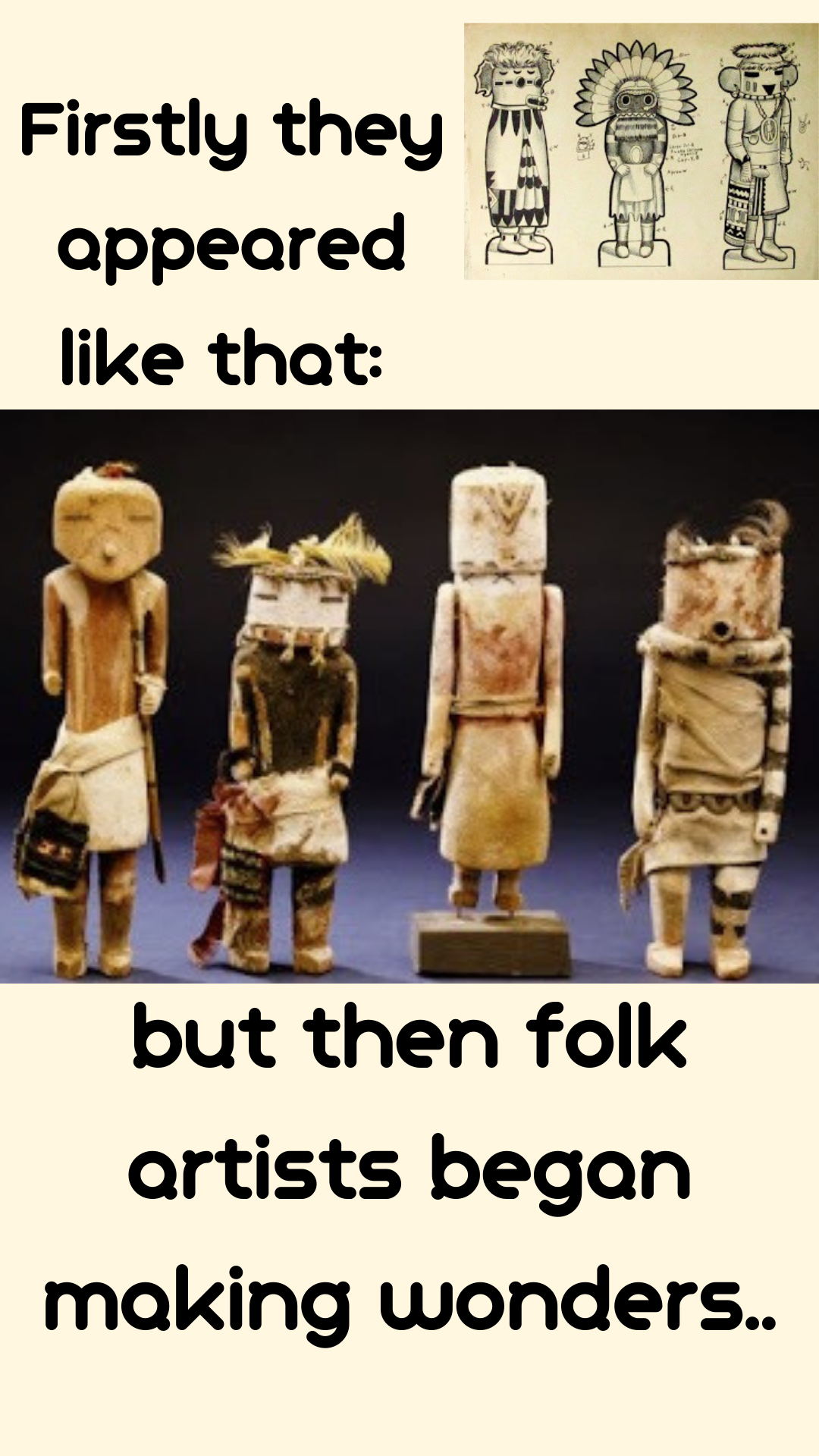
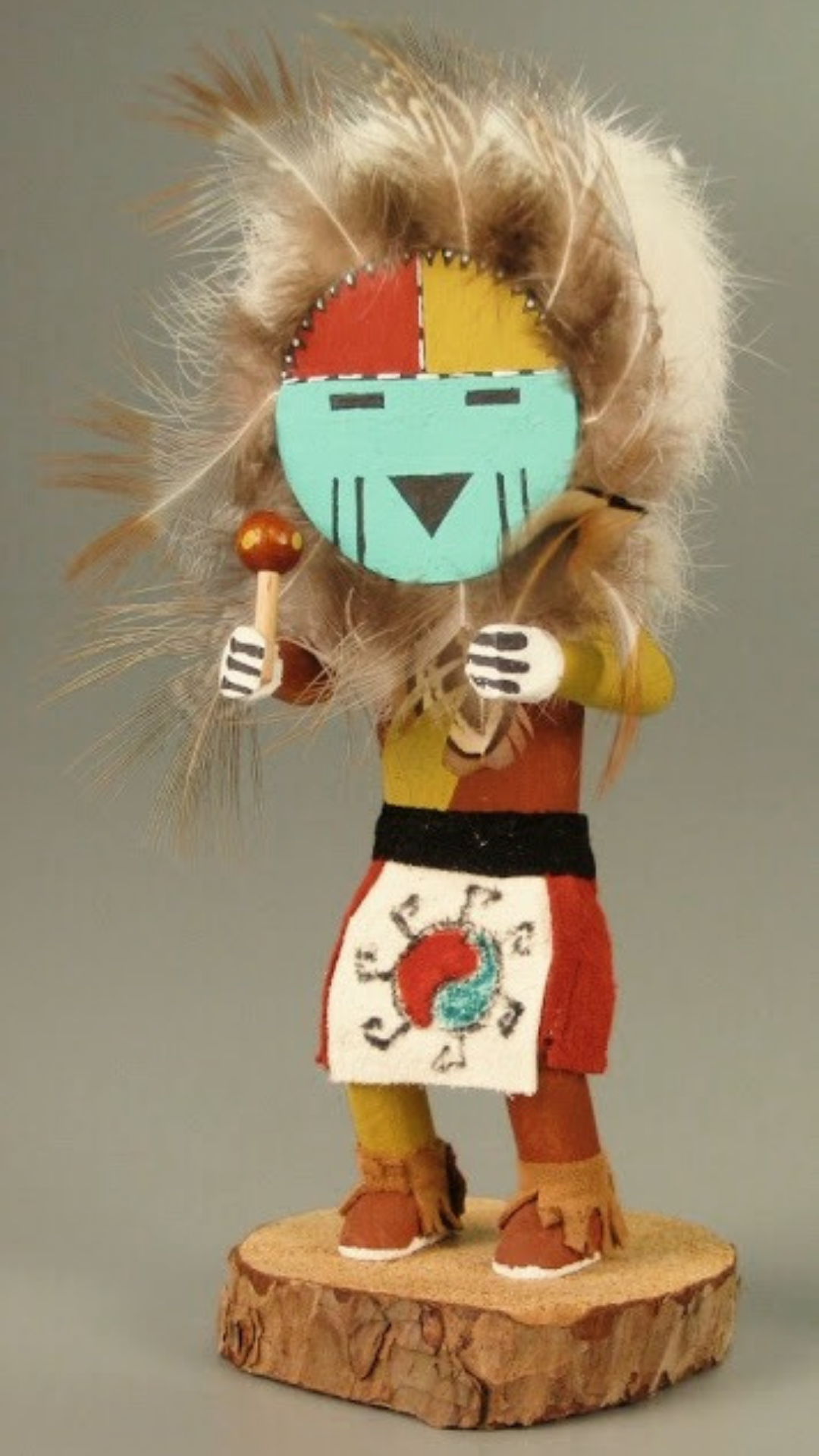
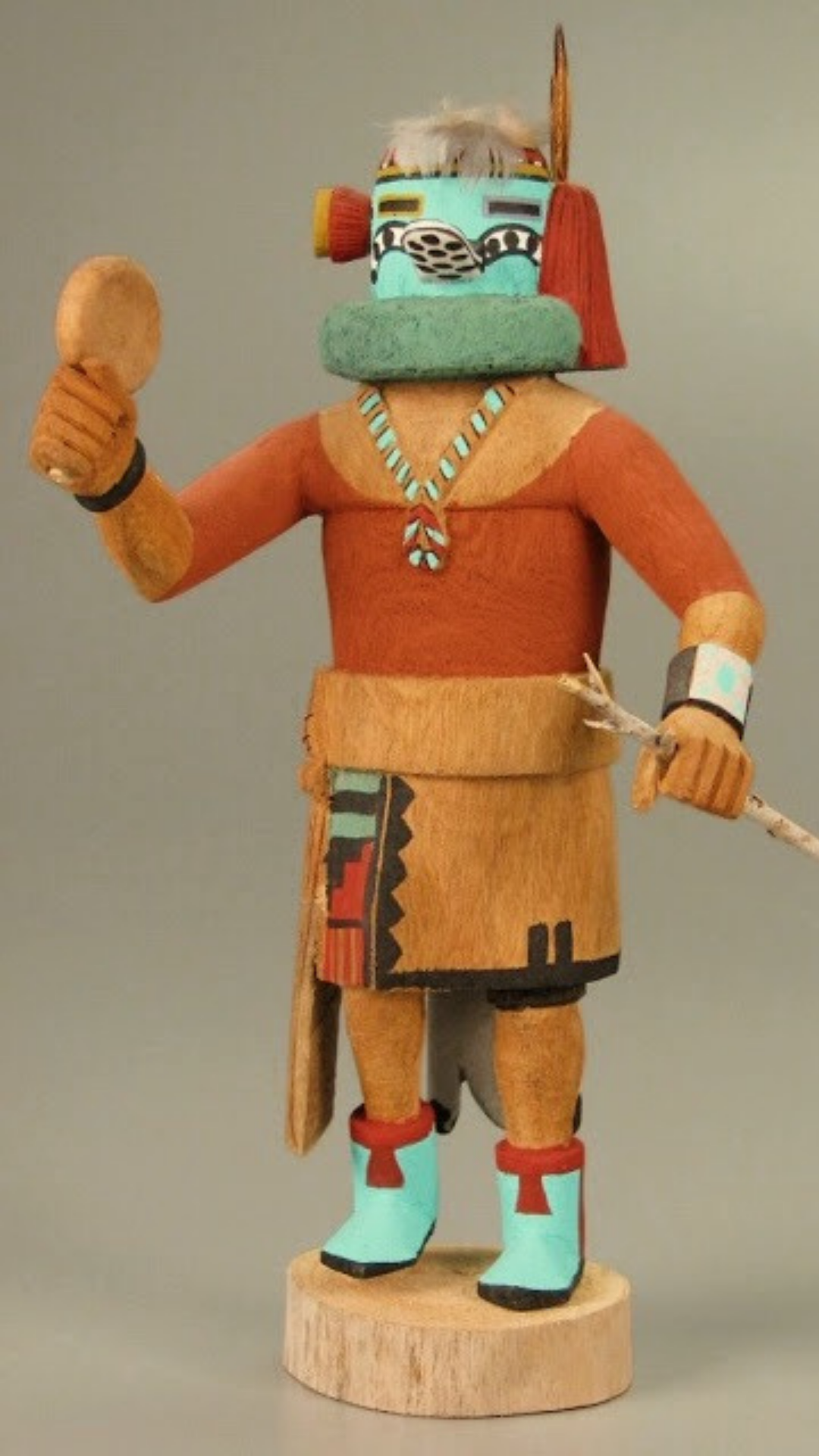
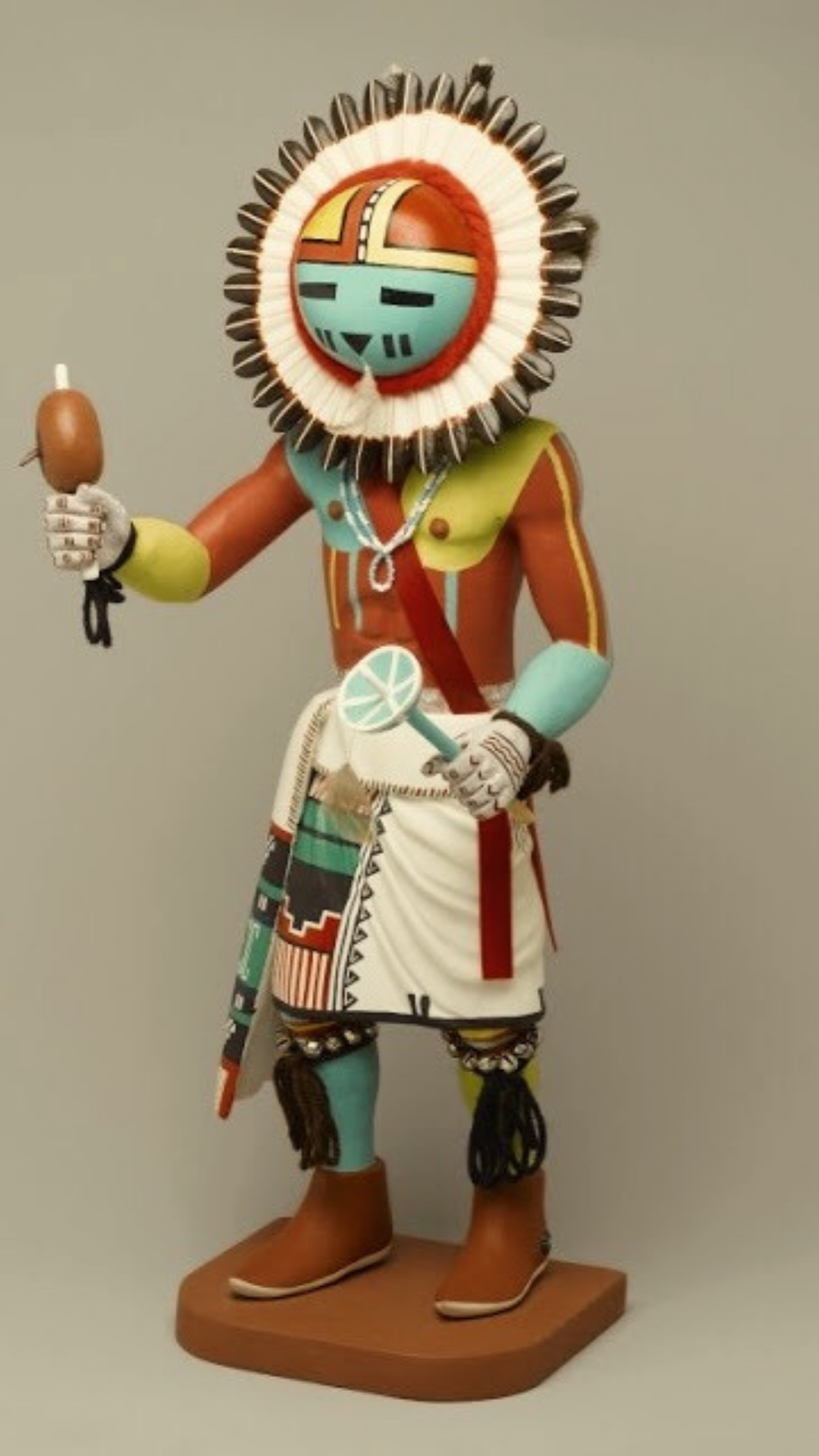
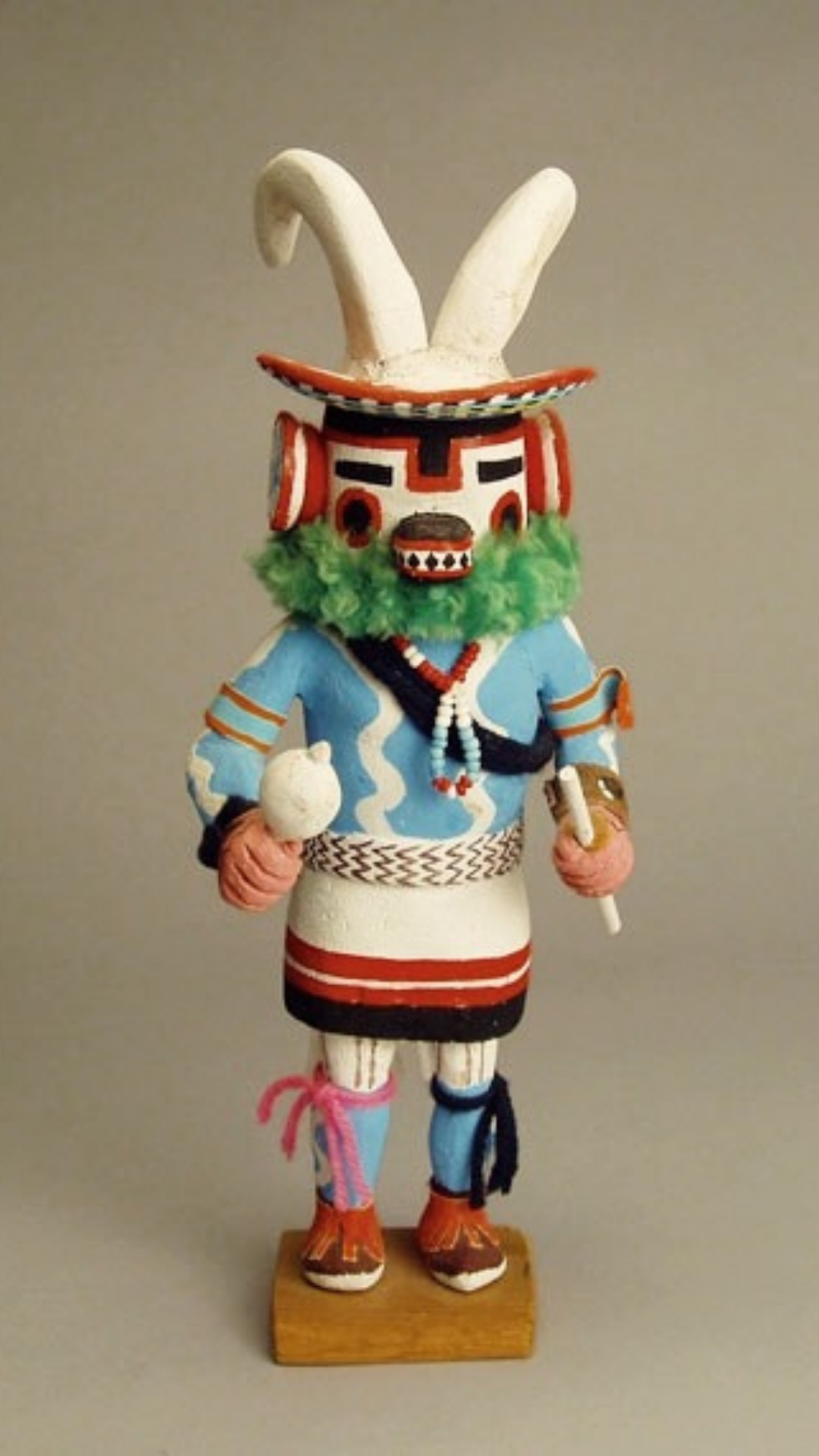
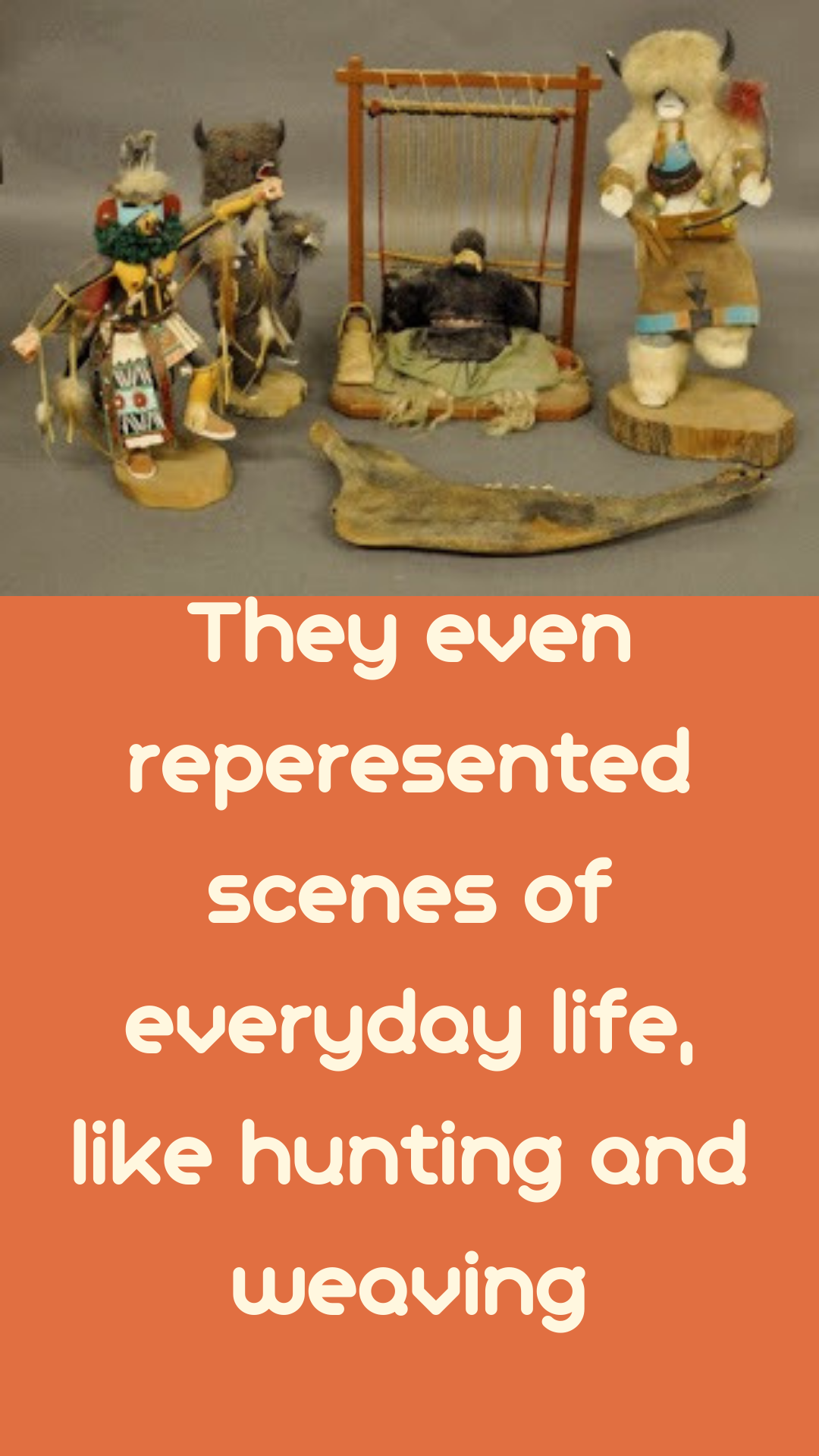
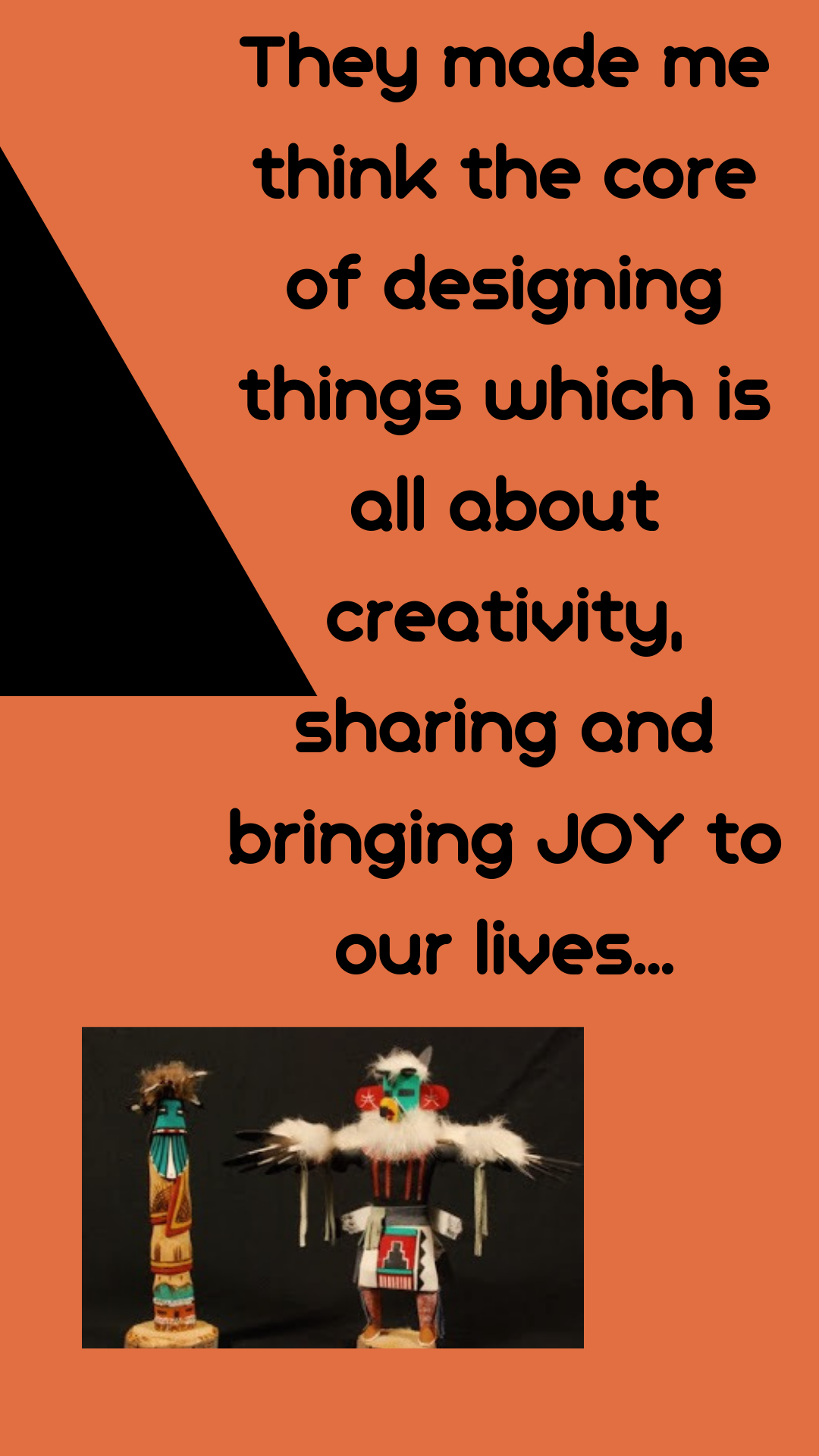
Kachina dolls
Put on Dylan playing his tribute to folk music, pour red wine in a nice glass, get comfortable and come travel with me in the place where the ground is red and dry, the sky is bright blue and the wind whispers strange words in your ear..... in the world of Western Pueblo tribes...




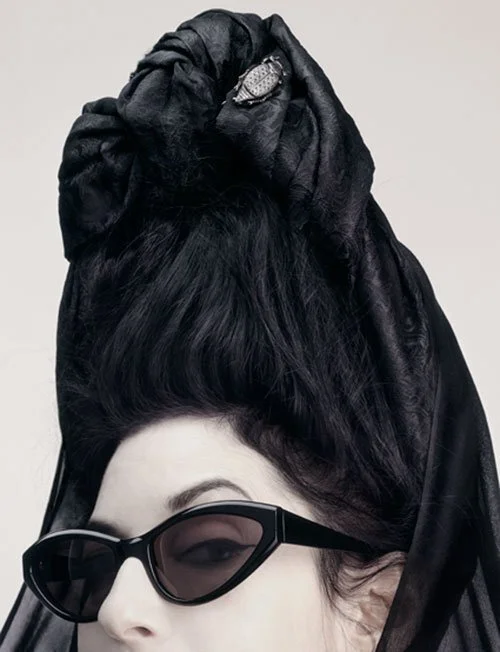
What total black means for creativity?
There some creatives that choose to wear black most of the time. What could that mean for each and every one of them?



For more information about each of them click buttons below:

Can ethical consumption exist in fashion?
I was preparing an Instagram guide the other day with several things I wish to own in the near furure. Things I thought might interest fasfem’s little community. While picking up staff, a feeling of frustration began to take over me. Because I was making the guide with the goal of ethical consumption in mind…But what does that even mean?
I paused the guide and did what I do most of the times when numb and indecisive. I googled.
Ethical consumerism: practiced through the buying of ethically - made products that support small scale manufacturers and local artisans, protect animals and the environment.
Yes, that was actually what I had in mind. To buy from brands that actually try to make things better or buy second hand. A form of BUYcott where I support those whose actions align with my ethics. A form of action through my wallet.
It is not unusal for a consumer nowadays to expect companies to have a purpose. According to the 2017 Weber Shandwick’s research, The Company behind the Brand: In Goodness We Trust, 46% of global consumers are increasingly buying from companies or brands that make them feel happy and good, and 30% are increasingly buying from companies that have a social purpose or strive to make a positive contribution to the world or market they operate in. You see consumers are in need to rise up and fix a broken world themselves. They also look up to brands who make a strong effort to be part of the solution. Because even when investors seem to decrease when a brand chooses the clear path, sales do not.
I am not alone for sure. As a woman, I even belong to the part of the consuming force who are more empathic and willing to buycott. So why don’t I feel like I am making an impact most of the time? Because I actually DON’T. There so many issues that remain unresolved in fact and in my mind.
Big supply chains, where the origins of goods are somehow lost until they are delivered, could be the first. Sometimes it is impossible to know who made our clothes and under which circumstanses. Brands on the other hand who claim to support charity have been exposed to use the cause as another form of marketing strategy. A strategy that can be enhanced by the smart use of social media platforms. Which surely I am not against at when it actually makes a difference. But in many cases the support is just a very pety amount of money in comparison to the actual profit from a product being labeled as ‘ethical’.
And then there is the paradox of higher prices. Due to raw materials quality, transparency in manufatcturing and distribution and small scale production, most of ethical choices are more expensive. I get it. But I can’t stop thinking about the fact that people of lower income are excluded from the so called ethical consumerism because they just can’t afford it. Is ditching a coat from ZARA in order to buy from a smaller sustainable brand just not possible for some? How can we reverse that just by changing shopping habits?
I know that there are no right or wrong anwers sometimes. There are a lot of things to take under consideration and lots of systemic issues to be examined further. I have decided to think things through on a personal scale. What is there possible for me as person to do in order to help? Educate myself better. Try and shop by people whom I look up to. Small scale businesses whose products are made with love and lots of effort. People I actually know personally sometimes. According to my income with no guilt. Take part in actions that lead to change. Support causes each way possible. Just do the best I can. Hope that in the post pandemic era the lessons are actually learned. And allow myself to take some joy while purchasing..
For some interesting views about ethical consumerism you can read here, here and here. For data about ethical consumerism in pandemic here. I leave you to go and finally finish my reading on Fashionopolis…
Credits:
Photographer Craig McDean captured the above picture for British Vogue February 2019. Styling by Grace Coddington.

Garance Dore on pushing boundaries
Today we talk about Garance Dore and how she created her own profession by never giving up on pushing boundaries…
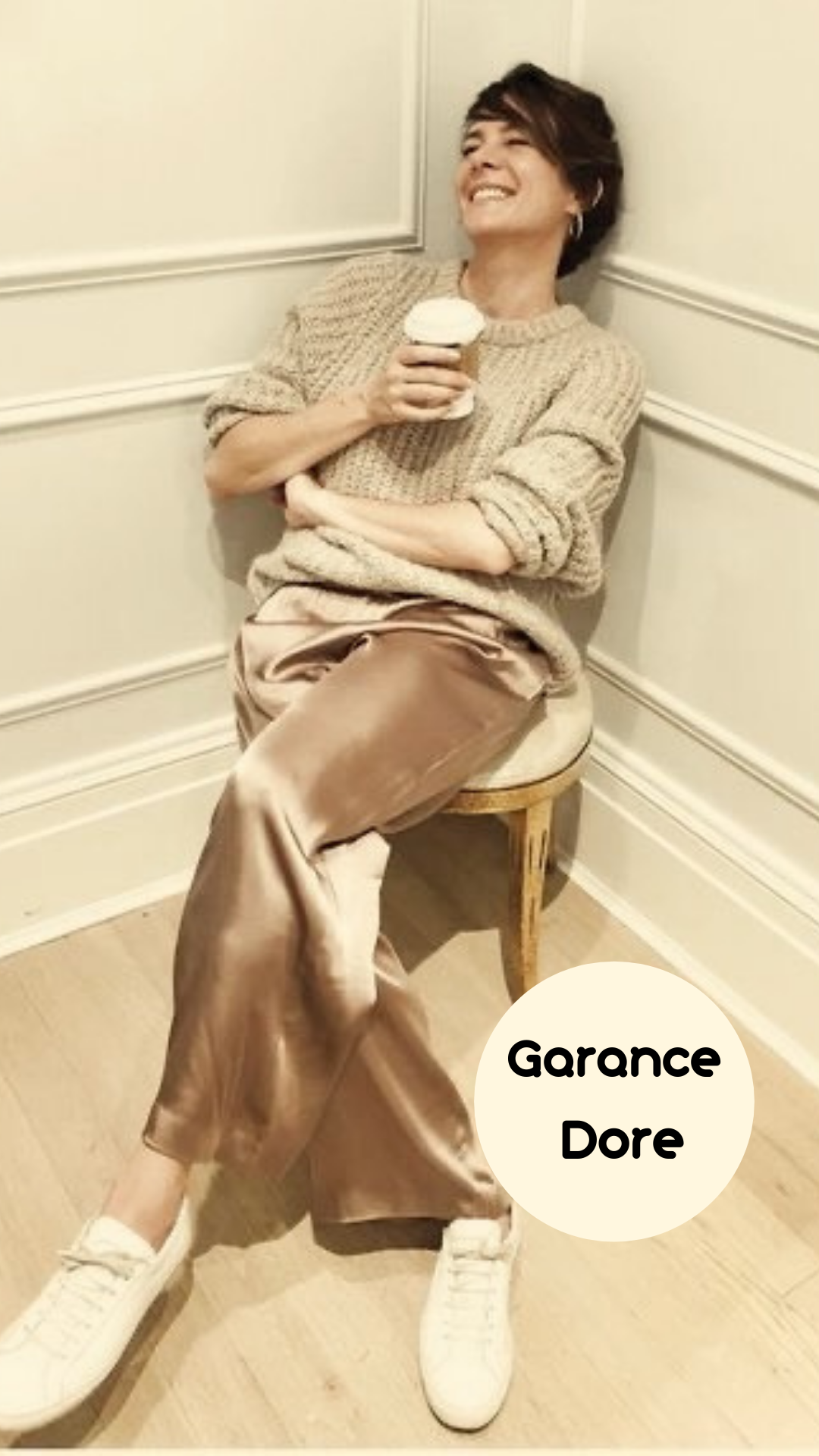
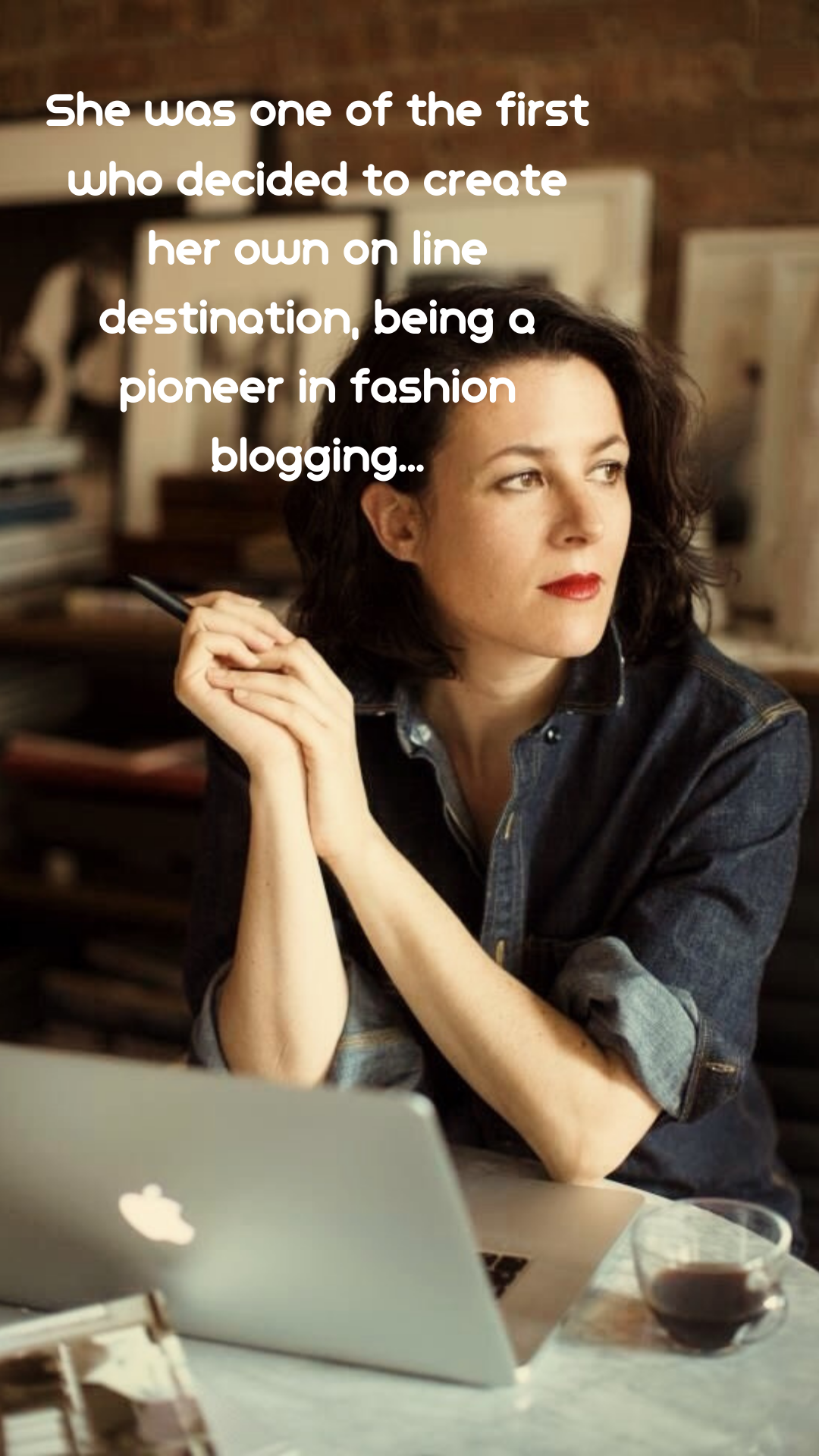
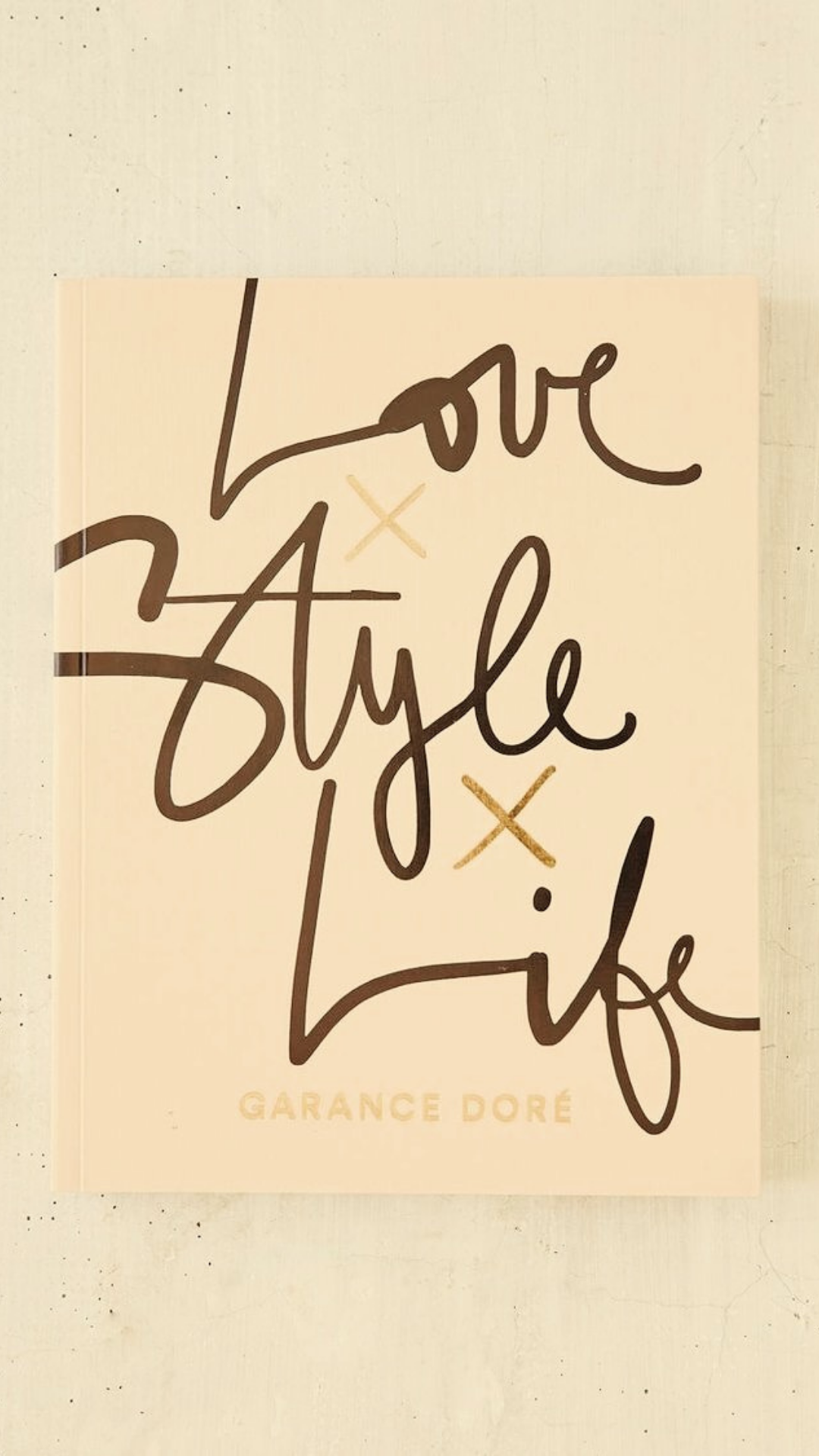
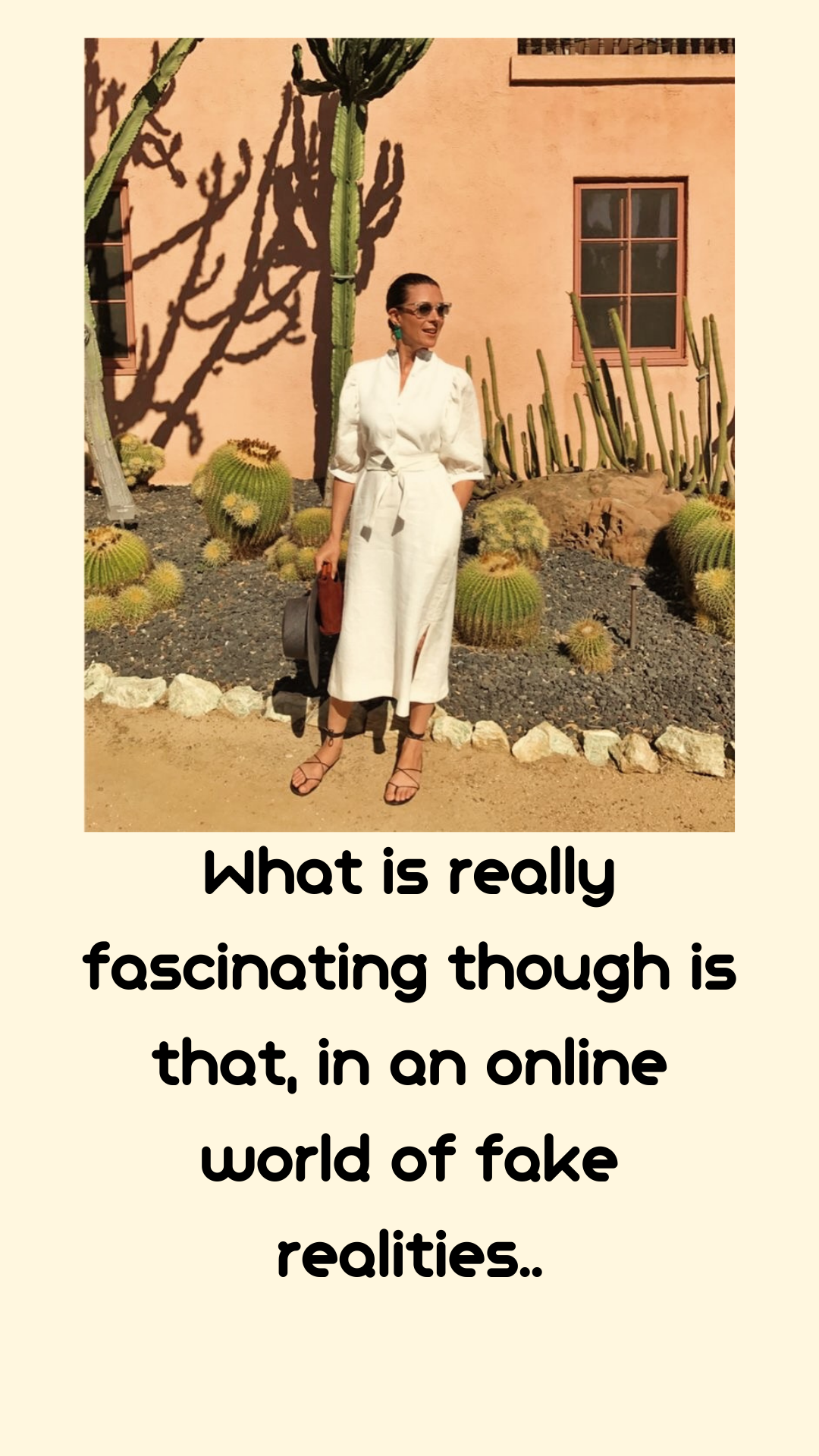
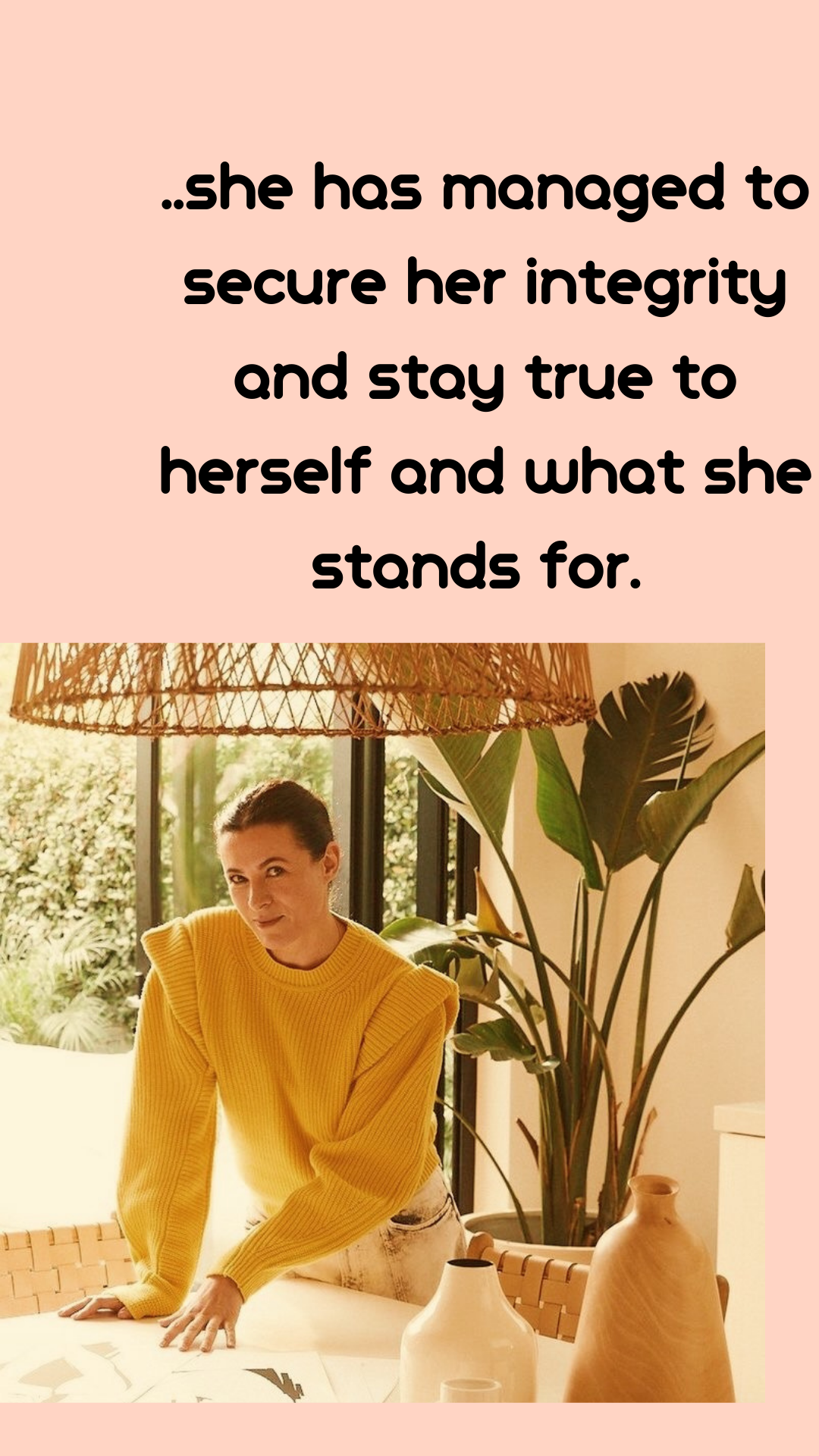
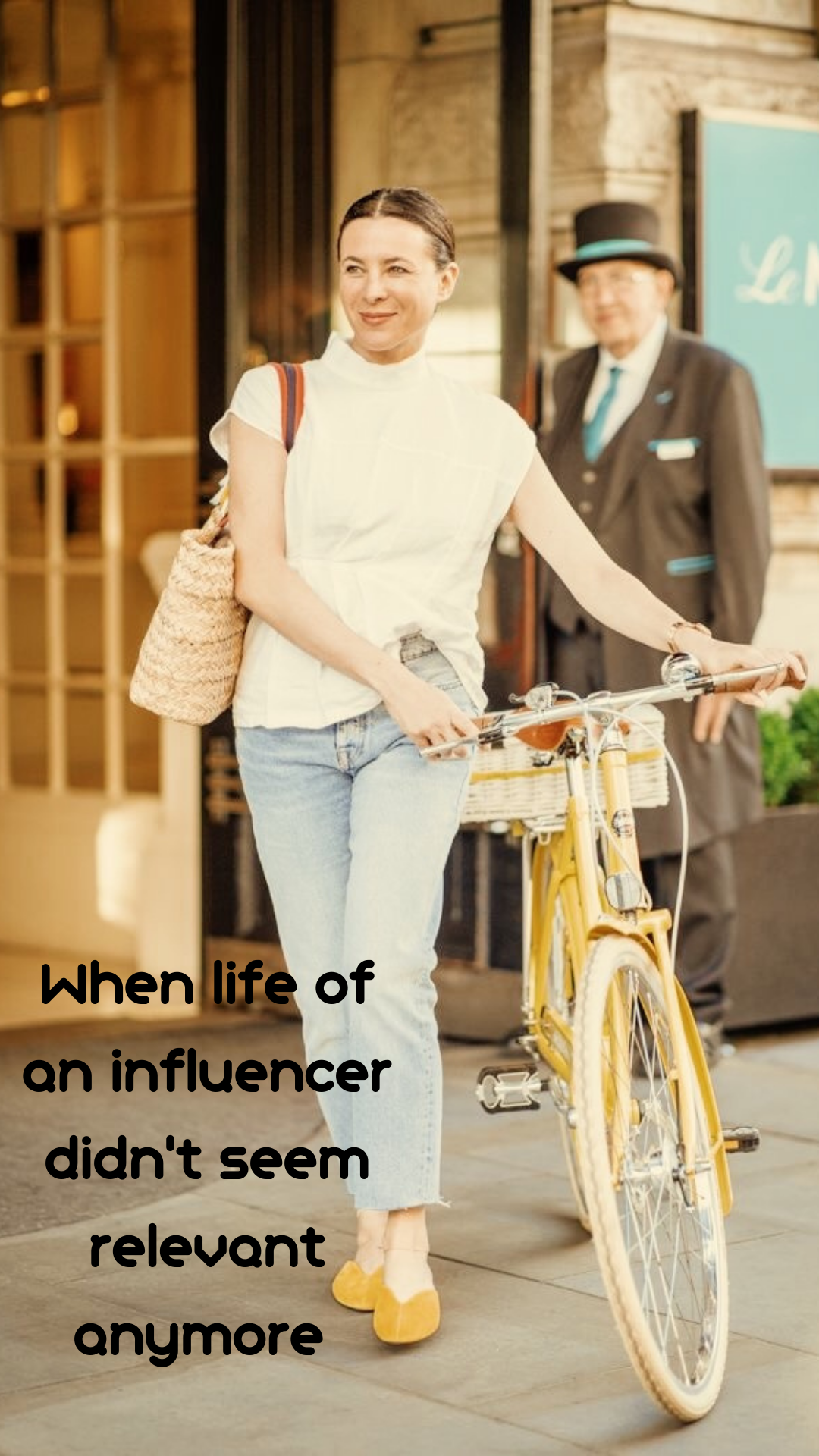
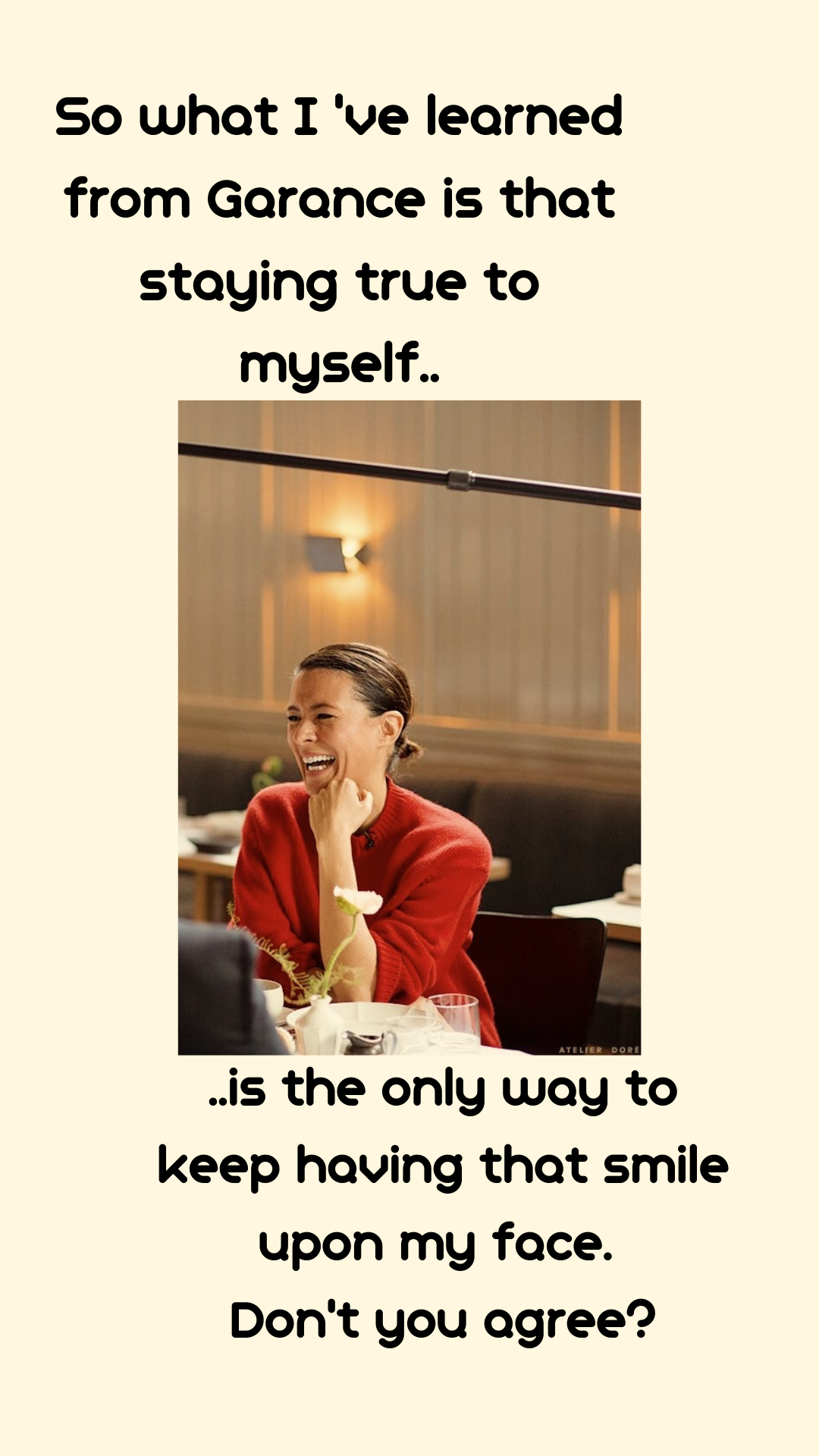
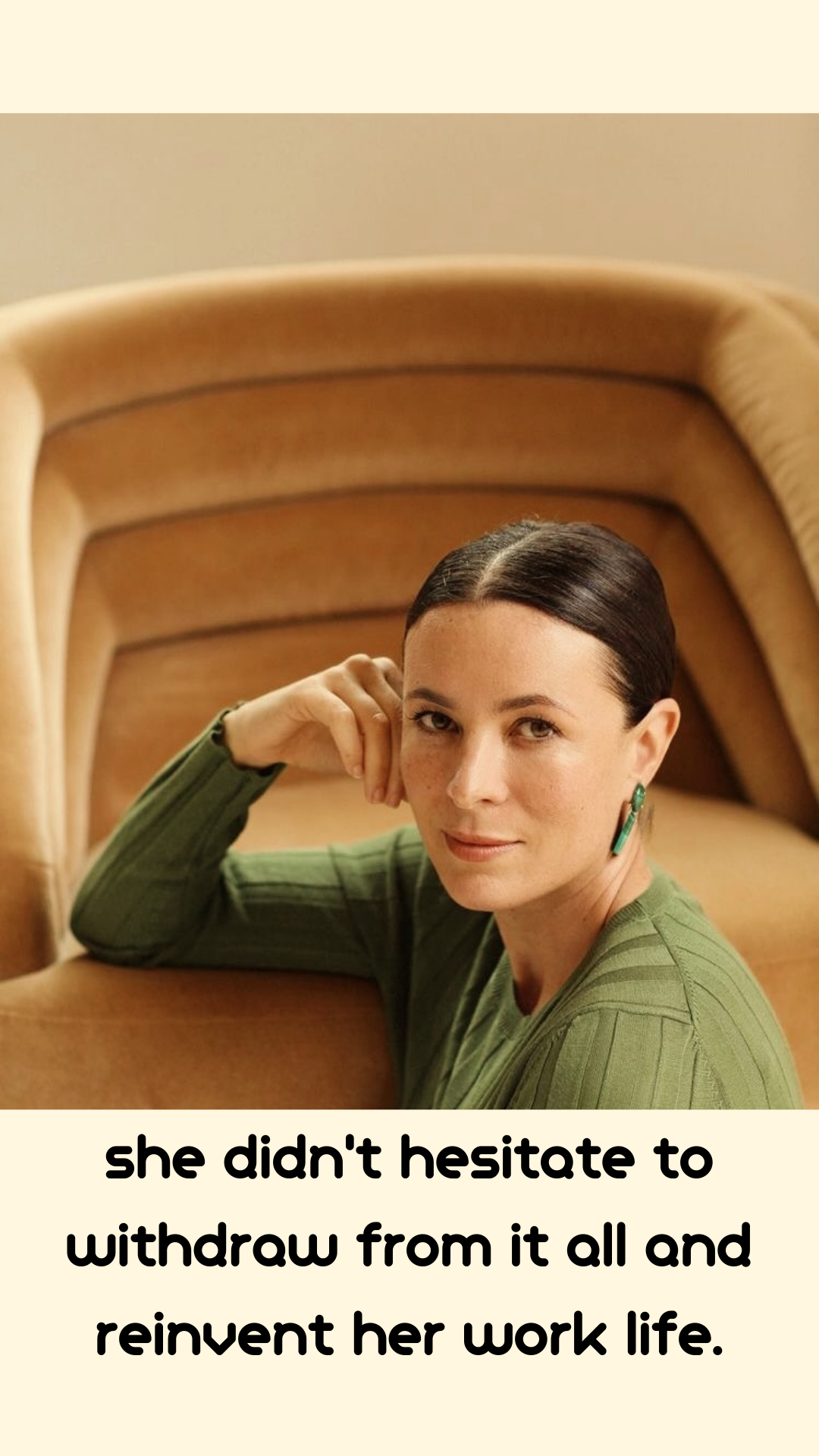
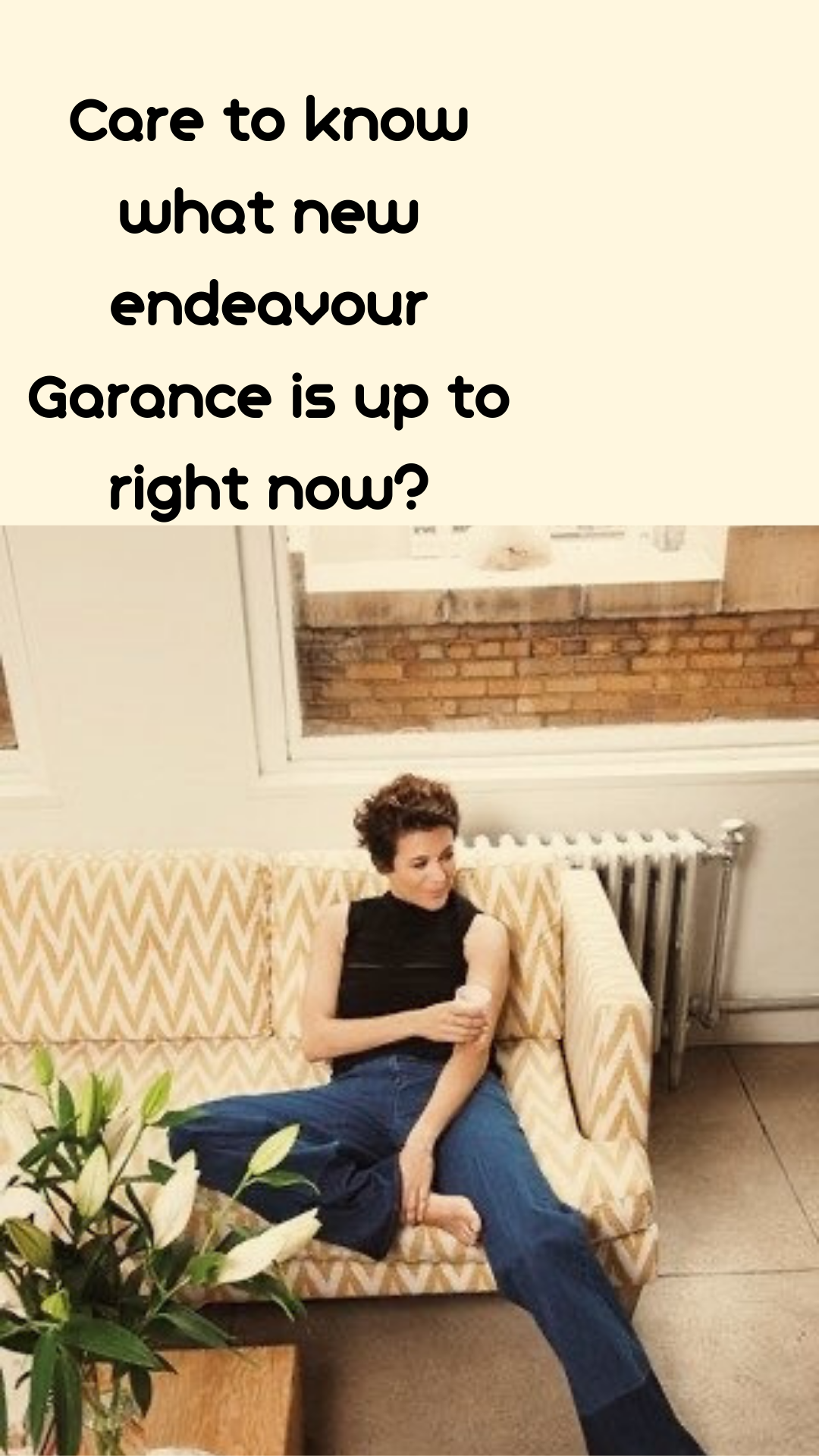
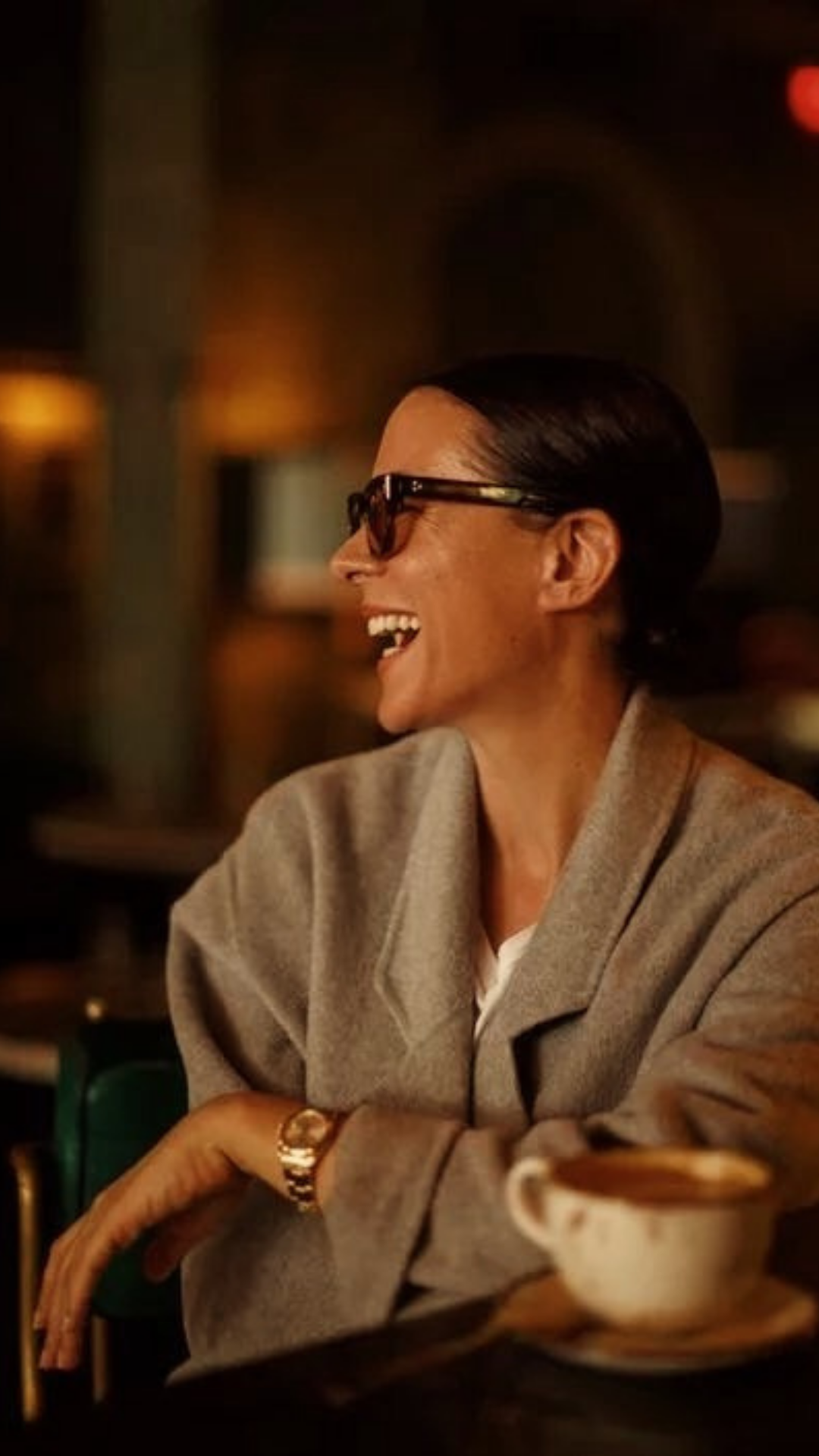
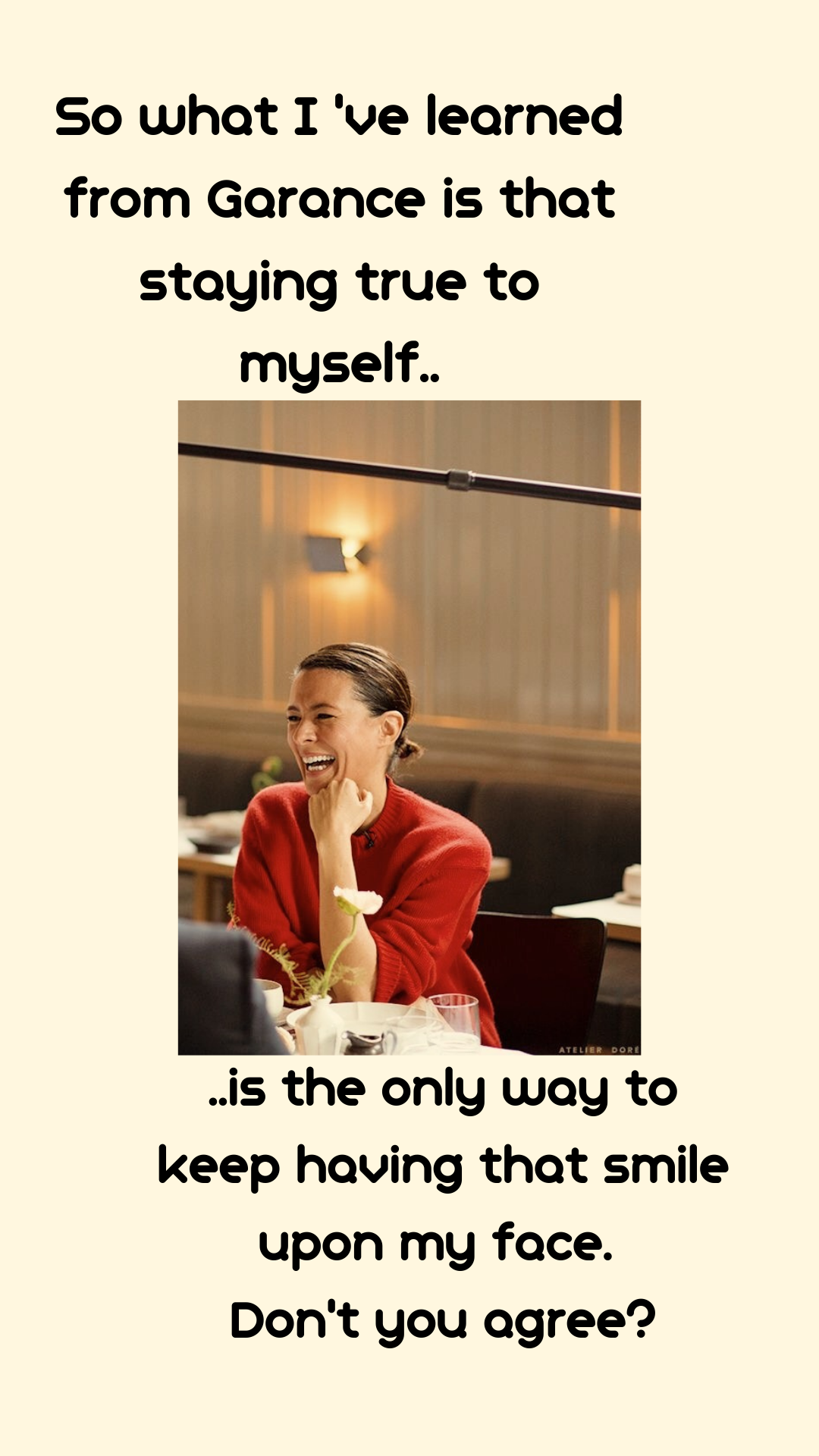
You can watch Garance herself explaining how she decided to quit being a fashion influencer and attending fashion weeks in her BOF talk below:

Fasfem watches : BEYOND THE VISIBLE, Hilma af Klint
When I came across one of her paintings - first in row on the gallery below - I felt the familiarity giving me the goosebumps. It reminded me of fasfem palette, the colours I had chosen to create my mood board for my site’s design. It was only three years ago …but the painting dated back to 1907!
It was by a Passerbuy’s post on Instagram that I was intrigued and did some more research on the lady behind those marvelous huge paintings, my palette’s ancestor included:


Hilma af Klint. Born in Sweden in !862, studied arts and lived all her life there. Weared black, always. Being spiritual has urged her to create a group with four other female artists called De Fem. Made seances with them - it was the thing for intellectuals back then as quantum physic’s foundations were established which explored the unknown. She created hundreds of abstract paintings, before Mondrian and Kandinsky ever did. But we never knew that until recently..her art was firstly shown in Los Angeles in 1986 and the exhibition at Guggenheim Hilma af Klint: Paintings for the Future is the most recent.

But I wanted to know; why was this genius kept away from the history of art? Maybe because it has been the history of male genius thus far? What about the future though? I have decided to watch the documentary by Halina Dryschka to find out. Would you care to join me?